A brain injury can be hard to see and even harder to explain, which is why working with a Sarasota brain injury lawyer matters when an insurer questions how badly you were hurt. Headaches that will not fade, forgetting words mid-sentence, or a loved one whose personality has changed are real losses, even when a scan looks normal.
At Shapiro Delgado, we represent people in Sarasota and throughout the Gulf Coast who have suffered concussions, traumatic brain injuries, and closed head injuries because of someone else’s negligence. We take the time to understand how the injury has changed your work, your relationships, and your sense of yourself.
Call (941) 954-4000 for a free consultation with a traumatic brain injury attorney on our team. Our phones are answered 24 hours a day, seven days a week.
 A traumatic brain injury (TBI) is an injury that disrupts how the brain works, usually caused by a bump, blow, or jolt to the head or by an object penetrating the skull. The Centers for Disease Control and Prevention explains that TBIs range from mild injuries such as concussions to severe injuries that can cause lasting disability.
Most brain injuries in car crashes and falls are closed head injuries, meaning the skull is not broken open. The brain moves inside the skull and strikes its walls, which can bruise tissue or stretch and tear nerve fibers. Because nothing is visible from the outside, these injuries are the ones insurers most often dispute.
A penetrating injury happens when an object breaks through the skull and enters the brain. These injuries are usually diagnosed immediately and often require emergency surgery, followed by long periods of rehabilitation.
Doctors classify a concussion as a mild TBI, but mild describes how the injury is graded at first, not how it affects a person’s life. Some people recover within weeks, while others live with symptoms for months or longer.
As TBI lawyers in Sarasota, we see brain injuries arise from many everyday situations where someone failed to act with reasonable care. The most frequent sources of these claims include:
Each of these situations points toward a different responsible party, so identifying the cause early helps us find every source of compensation.
Brain injury symptoms can appear right away or surface hours or days after an accident, and they often look different from person to person. MedlinePlus, from the National Library of Medicine, lists warning signs that call for medical attention. Common patterns include:
| Milder Injuries and Concussions | Moderate to Severe Injuries (Often in Addition) |
|---|---|
| Headache, dizziness, or lightheadedness | A headache that gets worse or will not go away |
| Confusion or trouble concentrating | Repeated vomiting or nausea |
| Blurred vision or ringing in the ears | Slurred speech |
| Fatigue or changes in sleep | Seizures or convulsions |
| Sensitivity to light or sound | Weakness or numbness in the arms or legs |
| Mood changes, irritability, or anxiety | Unusual agitation or inability to wake up |
Anyone who shows the more serious signs in the second column needs emergency care. Even milder symptoms call for prompt medical evaluation, both for your health and to create a record linking them to the accident.
 Doctors diagnose a brain injury through a combination of examination, imaging, and testing over time, and no single test tells the whole story. The tools commonly used include:
A normal CT or MRI does not rule out a concussion or mild TBI. Many real brain injuries affect how the brain works without leaving damage that standard imaging can see, which is why testing and symptom records matter so much in these brain injury cases.
For many people, the hardest part of a brain injury comes after the hospital, when they try to return to work and family life. Long-term effects can include:
These changes often affect the whole family. Spouses become caregivers, children adjust to a parent who seems different, and household finances shift when a paycheck shrinks or disappears.
The steps taken in the first days after a head injury affect both recovery and the strength of a future claim. If you or a family member may have a brain injury, consider these steps:
These records help doctors track your recovery and help show an insurer that the injury is real and connected to the accident.
 Brain injury care is often less about one large hospital bill and more about years of therapy, supervision, and support. Depending on the injury, future needs may include cognitive rehabilitation, speech and occupational therapy, neuropsychological follow-up, medication for seizures or mood symptoms, and help with daily tasks.
Some people with moderate or severe TBI can no longer be left alone safely because of memory loss or poor judgment. The cost of that supervision, whether provided by paid caregivers or by family members who give up work, is a real loss that belongs in the claim.
Florida’s Brain and Spinal Cord Injury Program helps eligible residents with moderate to severe traumatic brain injuries return to their communities. Benefits from programs like this can affect how a settlement is structured, so we account for them when planning your claim. The program also serves people with spinal cord injuries, and a Sarasota spinal cord injury lawyer can help make sure those benefits and your recovery work together.
Brain injury claims are valued by the measurable costs of the injury plus the human losses it causes, adjusted for fault and the insurance available. Because many of those losses are invisible, the value of a TBI claim depends heavily on how well they are proven.
We build TBI claims with neuropsychological test results, treating physician opinions, and testimony from coworkers, friends, and family who knew you before the injury. Their accounts of how you have changed often carry as much weight with a jury as any medical record.
A brain injury may not stop someone from working entirely, but it can make a demanding job impossible. Vocational evaluations help show whether you can return to your former work and what you are likely to earn if you cannot.
Under Florida’s comparative fault law, your recovery shrinks by your share of the blame and is barred if you are found more than 50 percent at fault. Available insurance also matters, so we search for every policy that may apply, including your own uninsured motorist coverage.
Brain injury cases call for patience, careful documentation, and a legal team that will not let an insurer dismiss what you are living with. Here is what our firm offers:
No lawyer can promise a specific outcome, and every case depends on its own facts. To talk with our Sarasota brain injury team about your situation, call (941) 954-4000 today for a free consultation.
Yes, many people with concussions and other traumatic brain injuries never lose consciousness. Florida brain injury claims depend on medical evidence of the injury and its effects, not on whether you blacked out at the scene. Feeling dazed, confused, or “not right” after a blow to the head is reason enough to see a doctor.
Delayed symptoms are common with brain injuries, and they can still support a claim in Florida. Timing matters for insurance, though, because Florida PIP benefits generally require initial treatment within 14 days of a crash. Seeing a doctor promptly and describing every symptom, even mild ones, protects both your health and your benefits.
Yes, a family member can often help, but the legal authority to act depends on the situation. Parents generally handle claims for minor children, and an adult who cannot manage their own affairs may need a court-appointed guardian in Florida. Settlements for minors and adults under guardianship often require court approval.
Most Florida brain injury lawsuits based on negligence must be filed within two years of the injury. Different deadlines can apply to medical malpractice, claims against government agencies, and cases involving minors. Because brain injury symptoms sometimes develop slowly, it is wise to talk with a lawyer well before the deadline.
It can. Florida’s no-fault law limits pain and suffering claims after car crashes to injuries that meet a permanent injury threshold, and a concussion with lasting symptoms may qualify when a doctor documents the permanent effects. A concussion that fully heals in a few weeks usually will not meet that standard. A Sarasota car accident attorney can review your medical records and tell you whether your concussion is likely to qualify.
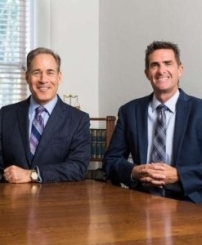 You and your family should not have to prove an invisible injury on your own. The attorneys at Shapiro Delgado can gather the evidence, deal with the insurance companies, and pursue compensation that reflects how your life has changed.
Call (941) 954-4000 for a free, no-obligation consultation with our Sarasota office. Past results do not predict future outcomes, and every case depends on its own facts.