Florida law lets you recover the full cost of a crash someone else caused, including medical bills, lost income and the effect the injury has on your daily life. An early settlement offer rarely reflects that full amount.
Shapiro Delgado builds the documentation first, then negotiates. We put real numbers behind what a crash cost you before anyone talks about closing the claim.
Our St. Petersburg car accident attorneys work crashes on I-275, Gandy Boulevard and the bridges into downtown every week. A St. Petersburg car accident lawyer from our office knows which carriers settle at the demand stage and which ones only move once suit is filed.
That knowledge changes how we build a file from the first phone call.
If you were hurt in a crash anywhere in Pinellas County, from downtown St. Petersburg to the beaches, call (941) 954-4000 before you sign a release or accept a settlement check. Waiting a day to talk with someone costs you nothing. Signing something an insurer hands you can cost a great deal.
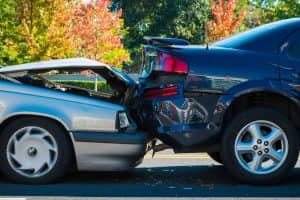 Several ordinary things can lower what a personal injury claim is worth, and most of them happen in the first two weeks. A gap between the crash date and a first medical visit is the most common. A prior condition noted on an intake form, or a recorded statement where you said you felt fine, can both be read against the injury later.
None of that means your claim is weak. It means the record needs to be built carefully from the start.
Claim valuation is also unfamiliar territory for most people. A number that sounds reasonable in week one often turns out to be well below what the injury actually cost, because the treatment is not finished.
We price a claim the way it would be presented to a jury, using documented medical costs, wage loss and future care. If you have an offer in hand and no way to judge it, call us at (941) 954-4000 before you respond.
Certain busy corridors produce more claims than others, year after year. The stretch of I-275 through downtown and across the bay carries heavy commuter volume alongside tourist traffic unfamiliar with the exits, a combination that produces frequent rear end and lane change collisions. Gandy Boulevard and the Howard Frankland Bridge approach see the same pattern heading toward Tampa during rush hour.
A few other locations show up repeatedly in the personal injury claims we handle.
Knowing these patterns changes how we investigate. Certain intersections carry a documented crash history that can support an argument about road design or signal timing, not just driver error.
Seasonal traffic adds a layer. Winter visitor volume on the Bayway and US 19 shifts the crash profile compared to quieter summer months.
Florida requires every registered vehicle to carry Personal Injury Protection, or PIP, under Florida Statute 627.736. The minimum is $10,000, and it pays a portion of your medical bills and lost wages regardless of who caused the car crash. The details are where most of the difficulty in these claims starts.
PIP covers 80 percent of reasonable medical costs and 60 percent of lost income, not the full billed amount. You also have to receive initial care from a qualifying medical provider within 14 days of the crash. Miss that window and the insurer can deny PIP benefits, and the statute allows no extension for an injury that was slow to appear.
Even then, the full $10,000 benefit only unlocks if a provider documents an emergency medical condition. Without that finding, PIP caps out at $2,500.
This is why many injured drivers owe money out of pocket even when PIP applies, and why a claim against the at-fault driver often becomes necessary once PIP runs out.
 Florida limits when an injured driver can sue for pain and suffering rather than relying only on PIP. Under Florida Statute 627.737, you generally need to show a permanent injury, a significant and permanent loss of an important bodily function, permanent scarring or disfigurement, or death, before pursuing those additional damages.
This threshold catches people off guard. An injury that fully resolves may not qualify even though it caused real pain and missed work. An injury with lasting effects usually does.
The determination rests on a treating physician’s assessment, and getting it documented early often decides whether a case can move beyond PIP.
The threshold is frequently contested, so consistent medical treatment after a car crash matters. Gaps in care make it harder to establish that an injury is permanent.
Florida used to let injured drivers recover something no matter how much of the fault was theirs. That approach is called pure comparative negligence, and it no longer applies here.
Under Florida Statute 768.81, a driver found more than 50 percent responsible for their own crash now recovers nothing. Below that line, compensation is simply reduced by your share of fault.
This rule turns fault percentage into the central fight in many car accident cases. If a driver rear-ends you but says you brake checked, or a left-turning driver points to your speed, the outcome can hinge on a few percentage points.
Dashcam footage, traffic camera pulls and independent witnesses build that record early, before your side of the story goes undocumented.
Shared fault comes up early in most negotiations. An offer will sometimes arrive alongside an informal assessment that you carry part of the blame, stated as a given rather than as something established by evidence.
Ask what that assessment is based on before you respond to the number attached to it.
Florida’s minimum coverage requirements have historically been lighter on bodily injury liability than many states, which means a driver who caused your injuries may carry little or no coverage for them.
Uninsured and underinsured motorist coverage on your own policy exists to fill that gap. Underinsured coverage matters just as much as uninsured, because a driver who carries insurance may still fall short of covering a serious injury.
Many drivers never realize they have this coverage until a crash forces the question. Reviewing your own policy is one of the first things we check on a new file.
Not every collision looks the same, and the right legal approach shifts with the type of crash. Our office regularly handles the following.
Each category brings its own insurance structure and evidence needs, so a general approach rarely produces the strongest result. A rideshare crash can involve three separate policies depending on the driver’s app status at the time.
Sorting out which policy applies takes familiarity with how those companies structure coverage. Call (941) 954-4000 if you are not sure which category your crash falls into.
 Florida gives injured drivers two years from the date of the crash to file a lawsuit for negligence, under Florida Statute 95.11. That deadline shortened from four years after a 2023 change to state law, and it catches people off guard who assume the older rule still applies.
Missing that window generally ends the right to recover anything through the courts, regardless of how clear fault was.
If a government vehicle or public transit bus was involved, a separate notice requirement under Florida Statute 768.28 applies first, and the timeline is shorter. Negotiations can also run for months, and waiting on those talks before consulting anyone is a common way people run out the clock.
Adam Shapiro and our team prepare every car accident case as though it will go in front of a jury. That preparation is what moves settlement numbers, because a carrier’s evaluation accounts for whether a firm is ready to try the case.
Here is what that looks like day to day.
Whether your crash happened on I-275, Gandy Boulevard or a quiet St. Petersburg side street, reach out before the file is built around someone else’s account of it. Our offices in Sarasota and Palmetto mean this kind of representation is not a one-time favor; it is how we operate across every county we serve.
These are the questions we hear most often from drivers injured in a crash in St. Petersburg.
Generally no. A recorded statement fixes your phrasing in the record before you know what your injuries involve, and you are under no legal obligation to give one to the at-fault driver’s insurer. You can still speak with your own insurer, since that relationship works differently.
You may still recover compensation after a car accident, reduced by your percentage of fault, as long as you are found 50 percent or less responsible. Above that threshold, Florida law bars recovery entirely. Fault percentage is negotiable, so it is worth documenting your version of events early rather than accepting an insurer’s assessment.
It can help establish fault, since red light camera footage is sometimes available as evidence, though access and retention policies vary by intersection and jurisdiction. Requesting that footage quickly matters, since many systems only retain recordings for a limited window before they are overwritten.
Rideshare companies carry separate commercial policies that apply differently depending on the driver’s app status. Coverage limits shift between waiting for a request and actively transporting a passenger, which makes app status at the moment of impact one of the first things worth confirming.
Property damage claims run separately from injury claims and are not subject to the same permanent injury threshold, though value disputes over vehicle worth are common and worth reviewing before accepting an insurer’s number. Getting an independent valuation can meaningfully change the outcome.
An early offer is often calculated before your full medical picture is known, and accepting it closes the door on any further compensation even if your condition worsens later. A quick review of that number before you sign anything costs you nothing and can reveal a substantial gap.
 Most injured drivers have no way to judge what a claim is worth, and an early offer arrives before that number is knowable. Contact Shapiro Delgado for a free, no-obligation review of what happened, whether the crash occurred on I-275, the Howard Frankland Bridge or a St. Petersburg neighborhood street.
Find out what your case looks like before you accept anything in writing. Call (941) 954-4000 or reach out online, and let our team put a real number on your claim.