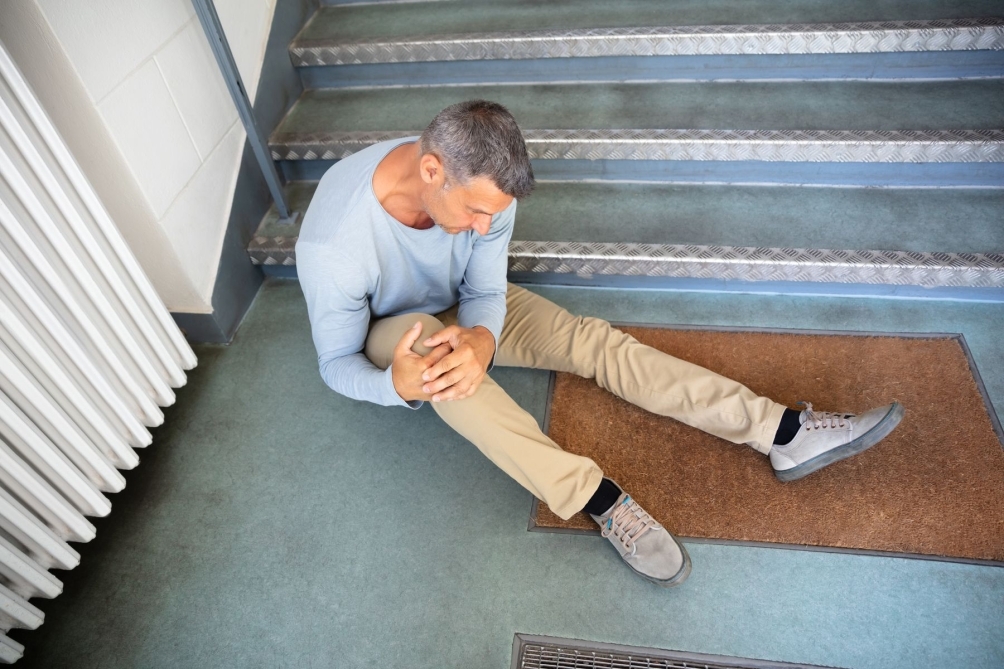
Proving a slip and fall case in Palmetto when the property owner denies responsibility comes down to evidence that shows three things: a dangerous condition existed, the owner knew or should have known about it, and that condition directly caused your injury.
A Palmetto slip and fall attorney can gather and preserve this evidence before it disappears.
When a property owner denies fault after a slip and fall, knowing how to prove a slip and fall case in Palmetto is what separates a dismissed claim from a successful one. Property owners and their insurance companies rarely accept blame right away.
What they say in the hours and days after your fall is designed to protect their interests, not yours. That doesn’t mean your case is lost. It means the evidence has to do the talking. Florida slip and fall law puts real legal obligations on property owners. When those obligations aren’t met and someone gets hurt, the law provides a path to accountability.
If you or someone you love suffered serious injuries in a fall on someone else’s property, speaking with a Palmetto slip and fall attorney is the right first step. Many offer free consultations, and getting legal guidance early can make a measurable difference in what evidence gets preserved.
 Florida slip and fall law, particularly for cases involving transitory foreign substances like spilled liquids or debris, sets a specific legal standard. Meeting that standard is what makes or breaks a claim, so knowing what to do after a slip and fall injury can help protect your ability to pursue compensation.
Under Florida Statute Section 768.0755, which governs slip and fall cases in businesses, the injured person must show that the business had actual or constructive knowledge of the dangerous condition.
That means you must prove either that the store or property owner was directly told about the hazard, or that the hazard had been there long enough that a reasonable inspection would have caught it.
Actual notice means the property owner or an employee knew about the dangerous condition before you fell. Constructive notice means the condition existed for long enough that the owner should have found it through routine care and inspection.
A puddle from a roof leak that staff had mopped around for two days is constructive notice. A spill that happened 30 seconds before your fall is harder to prove. Both types of notice matter, and the timeline of the hazard is often central to whether a claim holds up.
Different properties carry different legal duties depending on why you were there. Florida law classifies visitors as invitees, licensees, or trespassers, and the duty owed to each group differs.
Most slip and fall victims are invitees, meaning they were on the property with the owner’s permission and for a purpose that benefits the owner, like shopping or paying rent.
Property owners owe invitees the highest standard of care: they must regularly inspect the property, fix known dangers, and warn visitors of hazards they can’t immediately repair. Retailers at Palmetto’s shopping areas along U.S. 41 and residential complexes along the Manatee River waterfront neighborhoods both carry this duty.
Building a strong slip and fall case starts with the right slip and fall evidence in Florida, and gathering it quickly often determines whether a personal injury claim survives a denial.
Surveillance video is frequently the most direct form of proof available. It can show the hazard before you fell, confirm that employees walked past it, and document the fall itself. The problem is that most commercial properties overwrite footage within 24 to 72 hours.
Once that footage is gone, it’s gone. An attorney can send a legal preservation letter demanding that the footage be kept, which puts the property owner on notice. If they destroy it after that point, courts can draw a negative inference against them.
Filing an incident report at the scene matters. It creates a timestamped official record that the fall happened, where it happened, and who was present. Property owners sometimes try to minimize what goes into the report or discourage you from filing one at all.
Ask for a copy before you leave. If the manager refuses to give you one, write down their name, note the time, and document that you asked. That detail can matter later.
Other shoppers, tenants, or passersby who saw the fall or noticed the hazard beforehand are valuable. Witnesses can corroborate what the scene looked like, how long a hazard had been present, and how staff responded after you fell.
Getting contact information from anyone nearby, right at the scene, gives a Palmetto personal injury attorney the ability to follow up while memories are still fresh.
Photos taken immediately after the fall document the condition of the floor, the lighting, the signage, or the lack of signage. If your shoes or clothing were wet or stained from the fall, keep them. Physical evidence can support what the photos show and add credibility to your account.
Your medical records do more than document your injuries. They establish a timeline connecting the fall to your diagnosis. Gaps in treatment or delays in seeking care can be used to question the severity of your slip and fall injuries.
Consistent and documented medical care from the date of the incident forward strengthens your case.
When proving premises liability in Palmetto FL, you’ll likely run into one or more common defenses that property owners and their insurers use to deflect accountability.
One of the most common defenses is arguing that the dangerous condition was so visible that a reasonable person would have avoided it. Florida law does give some weight to this argument, but it doesn’t automatically eliminate liability.
Property owners still have a duty to address known hazards even if they are visible, particularly in high-traffic areas where distraction is foreseeable.
A wet floor without a warning sign in a busy grocery store on U.S. 41 is different from a clearly marked construction zone. Context matters, and an attorney can argue why the specific circumstances of your fall made the hazard unreasonably dangerous despite its visibility.
Florida follows a modified comparative negligence rule. If you were partially responsible for your fall, your recovery is reduced by your percentage of fault. If a court determines you were more than 50 percent at fault, you cannot recover at all.
Property owners will often try to inflate your share of fault by pointing to factors like phone use, footwear, or distraction. Evidence from surveillance footage, witness accounts, and a detailed account of the conditions can push back against inflated fault assignments.
Insurers often argue that your injuries were pre-existing or caused by something other than the fall. Complete medical records, clear documentation of when symptoms began, and expert testimony can all be used to counter this argument. The connection between the fall and your injuries must be documented thoroughly and promptly.
 Several practical steps, taken in the days after a fall, can meaningfully strengthen a slip and fall claim. The actions you take early on shape what evidence your attorney has to work with later.
A written log of how your injuries affect daily activities captures something medical records alone don’t show. Note difficulty walking, missed work, disrupted sleep, and tasks you can no longer perform. Writing these details down while they’re fresh gives your attorney concrete, personal evidence to support claims for pain and suffering damages.
Save records for prescriptions, medical co-pays, transportation to appointments, and any assistive devices. These out-of-pocket costs factor directly into your economic damages.
Insurance adjusters actively monitor public profiles. A photo or comment taken out of context can be used to challenge your account of your injuries. Staying off social media until your case resolves protects your claim.
The property owner’s insurance adjuster is not on your side. Speaking with an attorney first helps you avoid giving a statement that limits your recovery before your case is even fully evaluated.
| Step | Goal / Benefit |
| Document Daily Life | Creates personal evidence for pain and suffering claims (e.g., missed work, disrupted sleep). |
| Keep All Receipts | Documents out-of-pocket costs like medical co-pays and assistive devices for economic damages. |
| Limit Social Media | Prevents insurance adjusters from using taken-out-of-context content to challenge your injury claims. |
| Consult an Attorney First | Ensures you do not inadvertently provide statements that could limit your potential recovery. |
When a property owner denies responsibility, an attorney is what turns a disputed claim into a documented case. A denial from an insurance company is not the final word. It’s the beginning of a process that requires legal knowledge, strategic thinking, and access to resources most people don’t have on their own.
Obtaining surveillance footage, subpoenaing maintenance records, and deposing witnesses all require legal action that an individual claimant typically can’t compel on their own. A skilled attorney knows how to move quickly and apply the right pressure before evidence disappears.
Florida gives most slip and fall victims two years from the date of the fall to file a claim. Missing that deadline means losing your right to recover, regardless of how strong the evidence is. An attorney tracks these deadlines and keeps the case moving.
Insurers use proven strategies to reduce payouts, including disputing causation, inflating your share of fault, and making early lowball settlement offers. A knowledgeable attorney recognizes these tactics and knows how to counter them with evidence, not just arguments.
The absence of witnesses doesn’t prevent a successful claim. Surveillance footage, the physical condition of the premises, your medical records, and expert testimony about maintenance practices can all establish what happened even without bystanders.
An attorney can also investigate whether prior complaints about the same hazard were documented, which adds context to the property owner’s awareness of the danger.
The timeline varies based on the severity of injuries, how quickly liability can be established, and whether the case settles or proceeds to litigation. Straightforward cases with clear evidence may resolve in several months.
Cases involving disputed liability or significant injuries can take longer. Starting the process promptly keeps more options available and reduces the risk of evidence being lost.
Falls on government property, such as city-owned sidewalks or public buildings, follow different rules under Florida’s sovereign immunity laws. You must file a notice of claim with the appropriate government entity within three years, and the damages available may be capped.
The timeline and procedural requirements make early legal guidance particularly important in these situations.
Calling 911 is not required to pursue a slip and fall claim, and a police report is not always possible in these situations. What matters more is that you filed an incident report with the property owner, sought medical care promptly, and documented the scene as thoroughly as possible.
Gaps in documentation can be addressed through other evidence, but the absence of a report does make the case more difficult. Your attorney can advise on how to work around that.
Yes. The legal duty a property owner owes you can vary depending on the type of property and your reason for being there. A retail store owes a higher duty of care to shoppers than a private homeowner owes to a casual visitor. Falls in apartment complexes may raise questions about landlord maintenance obligations under Florida law.
The property type shapes the legal theory, and an attorney familiar with premises liability in Palmetto can help identify which standards apply to your situation.
 When a property owner denies responsibility after a fall, the pressure can feel one-sided. You’re managing medical appointments, missed work, and physical pain while the other side organizes its defense. We know what that’s like, and we take it seriously.
At Shapiro | Delgado, we represent people in Palmetto who were hurt on someone else’s property and are trying to figure out what comes next. We gather evidence, challenge denials, and build cases that reflect what actually happened.
Our consultations are free, and we work on a contingency fee basis, which means you pay nothing unless we recover for you.
If you or a loved one suffered injuries in a slip and fall, call us at (941)-749-1446 to speak with our team. There’s no obligation, and the conversation itself may clarify more than you expect.
Serving Palmetto from our Sarasota office: Shapiro | Delgado, 308 Cocoanut Avenue, Sarasota, FL 34236